
Mains failed but the generator stayed silent? Work through these seven checks, from the controller mode to the battery, fuel and speed signal.
The power goes off, and the generator that should start on its own stays silent. It is one of the most common calls service engineers get. Most of the time the cause is one of the seven things below.
Safety first. Generator panels carry dangerous voltages and engines can start without warning. Isolate the panel and follow your site's safety rules, or call a qualified technician.
1. Is the controller in AUTO mode?
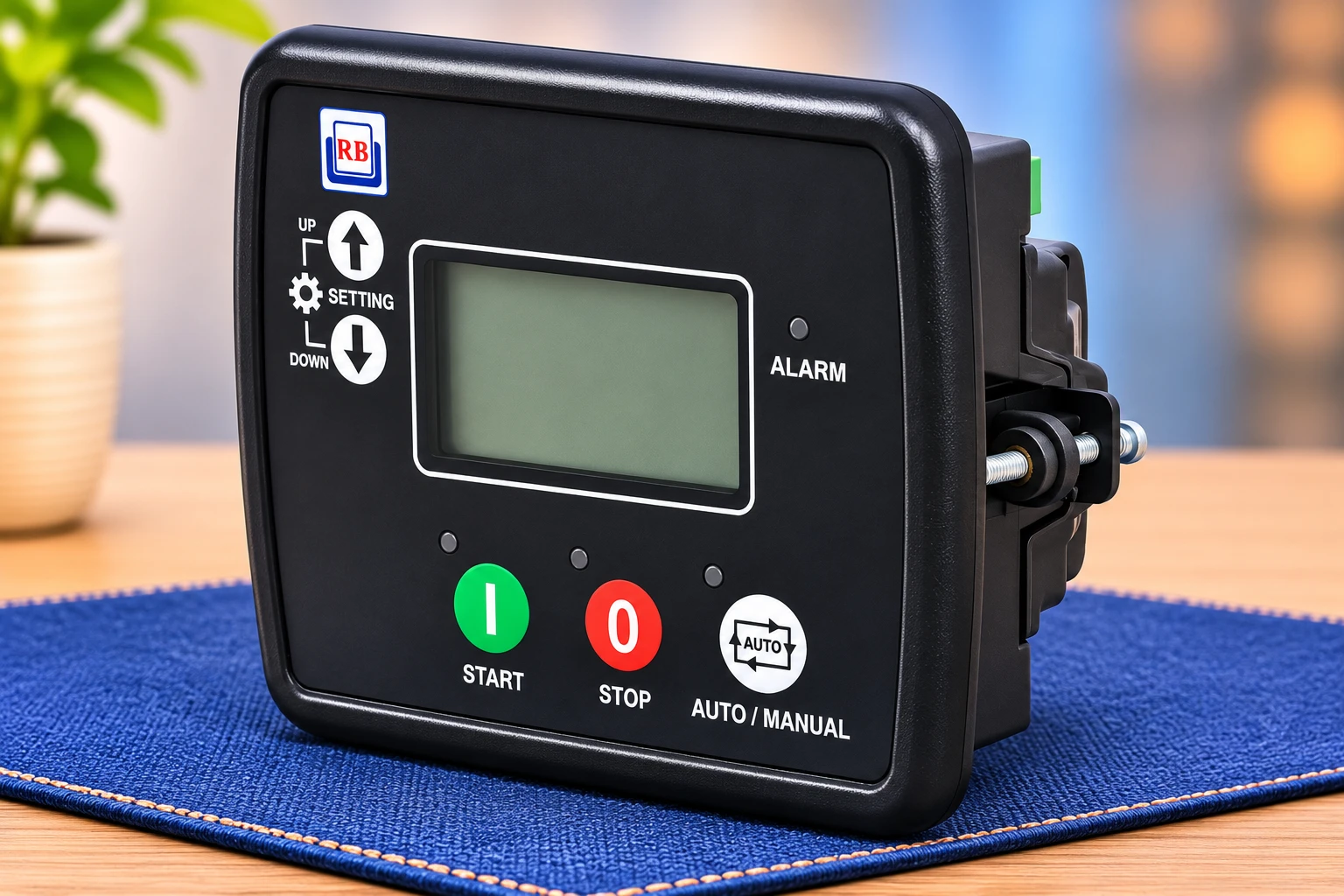
It sounds obvious, but it is the most common cause. After a service or a test run, the controller is often left in MANUAL or OFF. In those modes it will not start on a mains failure. Check the mode lamp or the display.
2. Is the battery charged and well connected?
A weak battery may light the panel but fail to crank the engine. Check:
- Battery voltage, and whether it drops sharply when cranking
- Loose or corroded terminals and earth straps
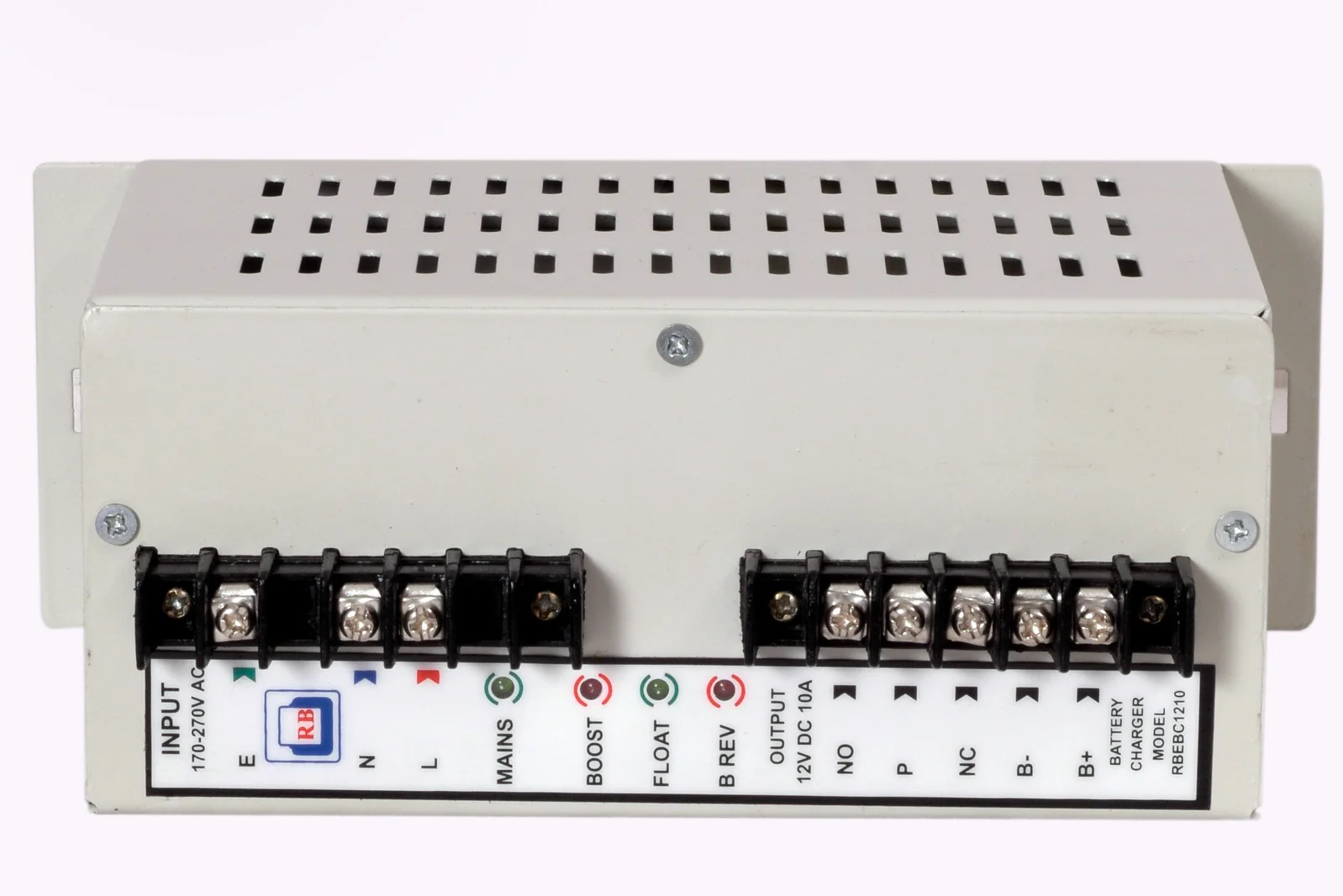
- Whether the battery charger is working
A battery charger that keeps the battery topped up between power cuts prevents most of these failures.
3. Is there a fault waiting to be cleared?
If the engine shut down on a fault last time, such as low oil pressure, high temperature or over speed, many controllers will not start again until the fault is seen and reset. Look for a fault lamp or a message on the display. Find out why the fault happened before resetting it.
4. Did the controller actually see the mains failure?
The controller only starts the genset if it knows mains has failed. Check:
- The fuses on the mains sensing wiring
- Whether only one phase has failed, and whether the controller is set to watch all three
- The under voltage setting. If it is set too low, a weak supply may not count as a failure
5. Is fuel reaching the engine?
Check the fuel level first. Then check that the fuel solenoid is getting power when the controller starts the engine. Air in the fuel line after a filter change is another common cause.
6. Is the start circuit working?
The controller switches a relay, and the relay powers the starter. If the controller says "starting" but the engine does not crank, check the start relay, its fuse and the wiring to the starter. Heavy-duty relays, like those on our Start Stop Relay Card, are built to carry this current.
7. Does the controller see the engine speed?
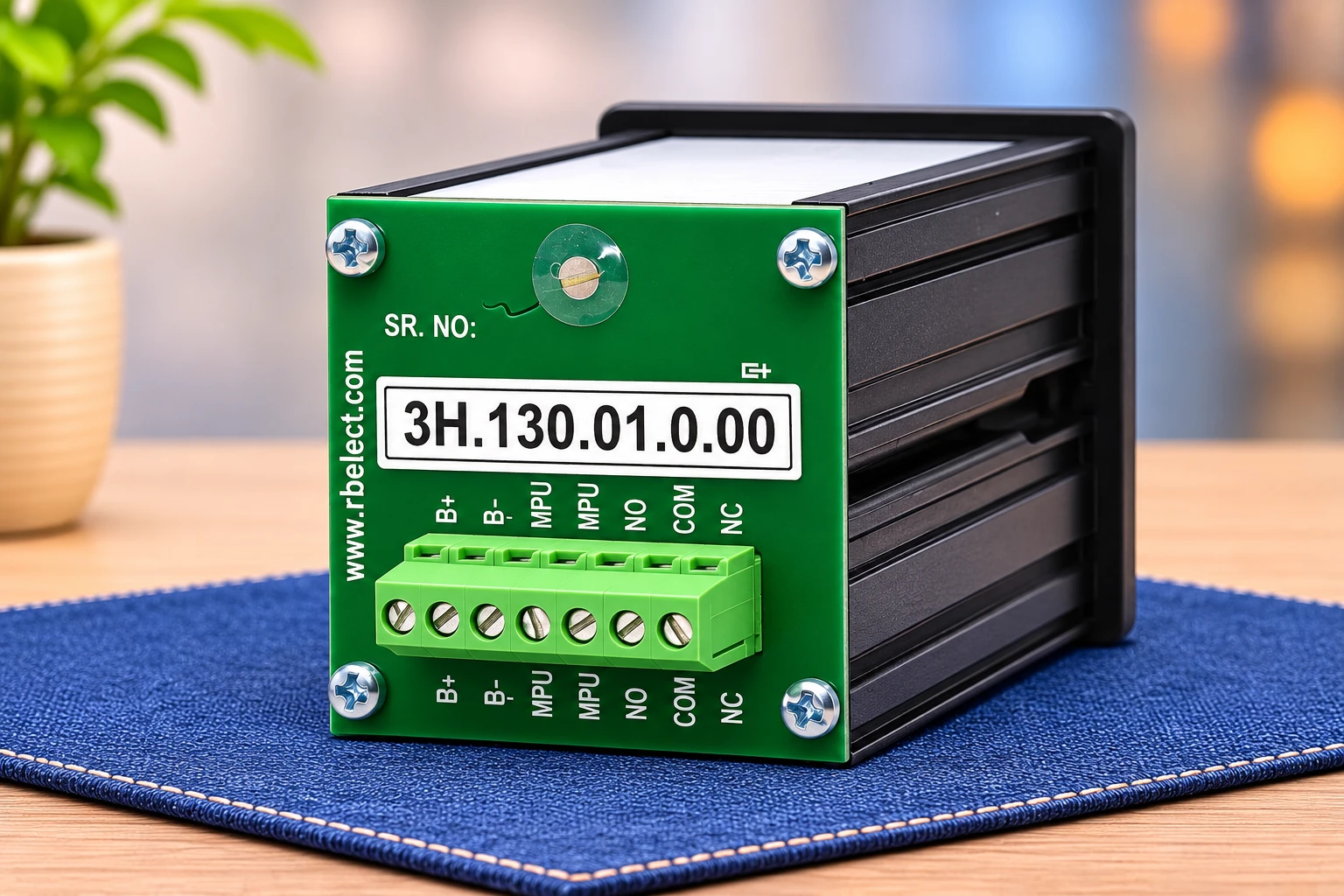
Controllers use a speed signal to know when the engine has fired and when to stop cranking. If the magnetic pickup (MPU) is loose, damaged or set at the wrong gap, the controller may crank too long, stop too early or trip on a speed fault.
Prevent it next time
- Test-run the genset regularly. Many controllers can do this automatically.
- Keep the battery charger switched on.
- Make sure everyone knows to put the controller back in AUTO after work on the genset.
Still stuck? Contact our team with your controller model and what the panel shows. We are happy to help.